
By Dev Admin
February 11, 2026 at 10:00 AM PST
Loading... Share article
Techno is one of those genres everybody gestures at and comparatively few people can actually place. This guide is the short version: where it came from, who built it, and where you can still hear it done properly.
The origin story is not folklore — it is documented and specific. In the mid-1980s a group of Detroit producers took the machine-driven European electronic music they had grown up hearing on late-night radio, ran it through the city's own funk and soul lineage, and produced something that sounded like neither.
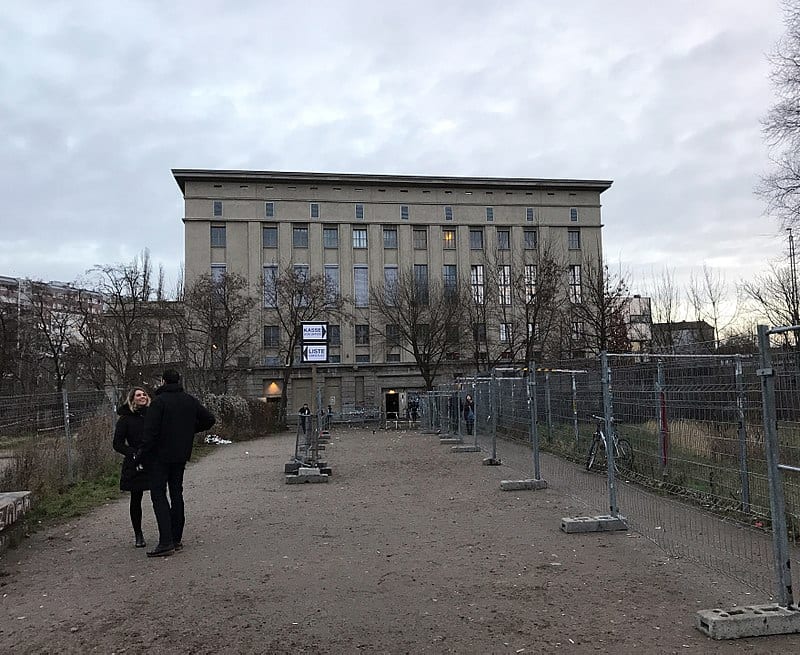
Detroit: the genre's actual birthplace, not a marketing line.
What separated it from house, which was developing simultaneously in Chicago, was intent. House kept disco's warmth and its vocals. Techno stripped both out and pointed somewhere colder and further ahead.
Techno found its largest audience abroad. Post-reunification Berlin had the two things the music needed most — abandoned industrial space and no one to complain about the noise — and the scene that grew in those buildings set the template for how the music is still presented: long sets, dark rooms, no photography, and a crowd that treats the night as participation rather than spectacle.
If you want a foundation rather than a playlist, work through these in order:
A genre built for specific rooms is best understood inside one. Berlin remains the obvious pilgrimage, but Amsterdam, London, Detroit during festival week, and an increasingly serious set of warehouse operations across North America will all show you the real thing.
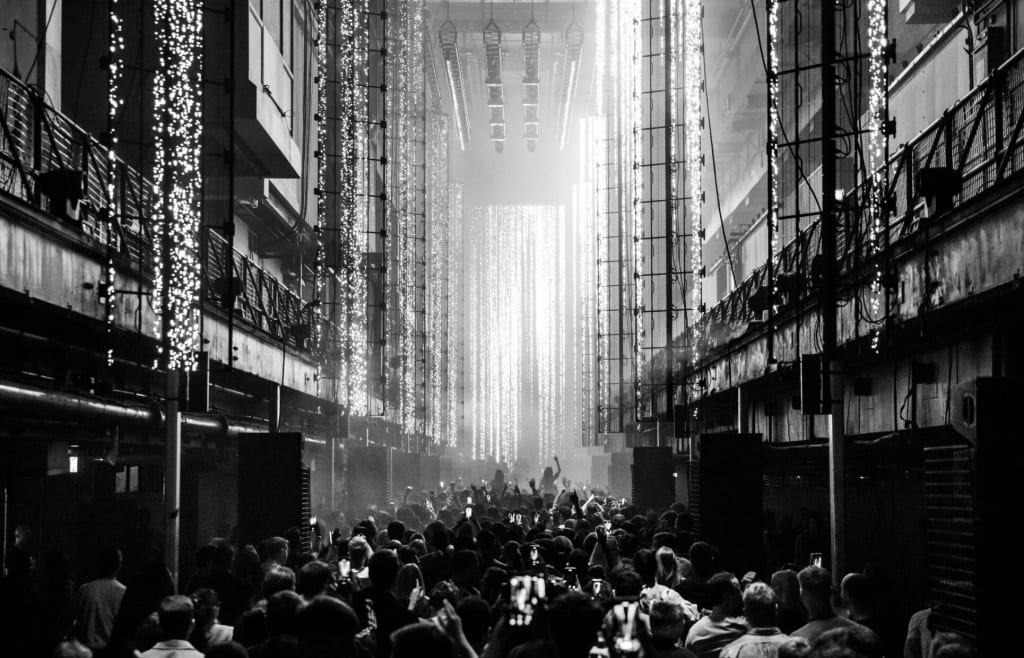
Techno rewards patience more than any other dance genre. A track that seems to be doing nothing for four minutes is usually setting up the thing it does at minute six. Give it the six minutes.
Slug: a-beginners-techno-music-guide-brief-history-artists-clubs
Last updated: August 13, 2026 at 11:37 PM PDT

0 comments
Comments are closed on this article.
Sign in to join the conversation.
No comments yet. Be the first to say something.